
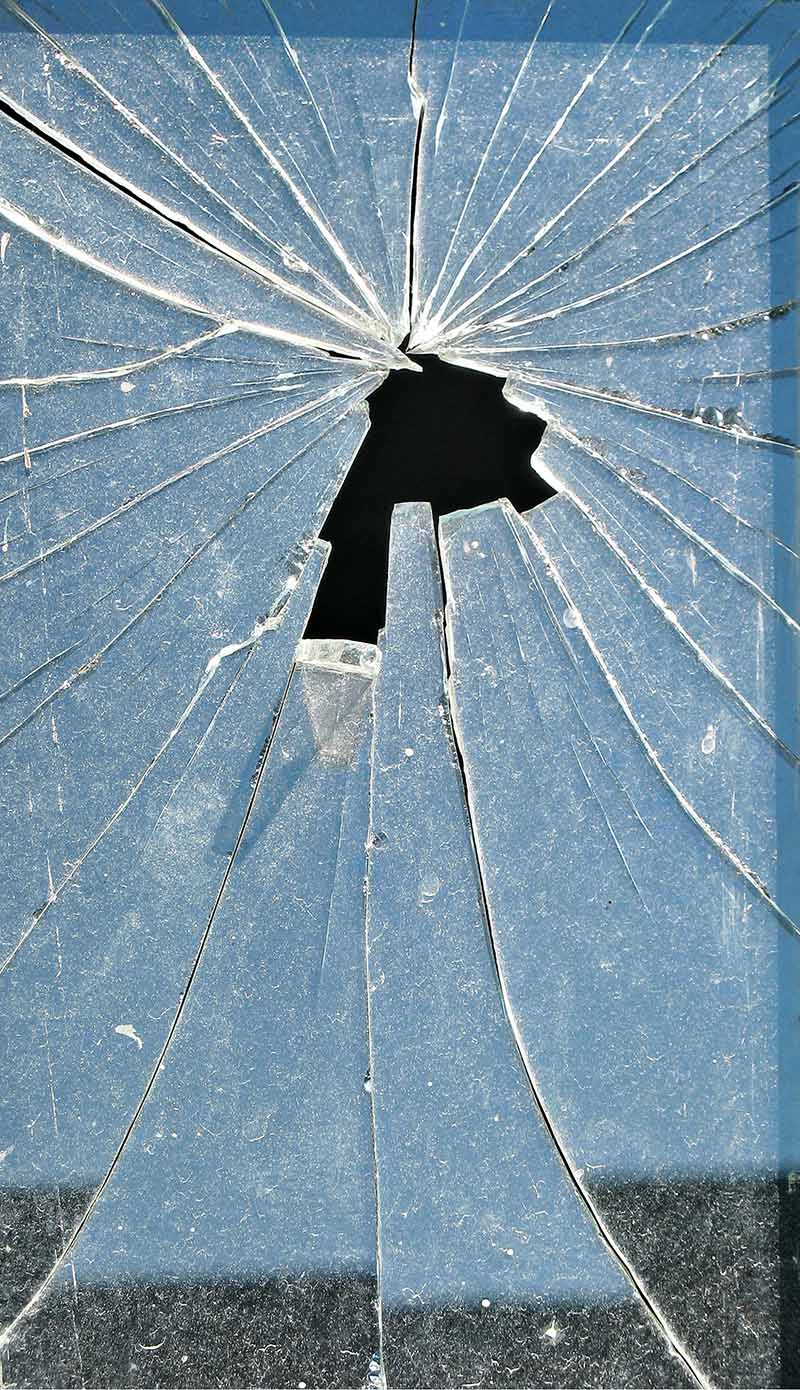
The Hidden Price Of Life’s Broken Windows
The Broken Window Theory was implemented by New York City Police Commissioner William Bratton and Rudi Giuliani (before he went batshit crazy) during his first term in office as the Mayor of New York City, and made famous by Malcolm Gladwell in his book, The Tipping Point.
The Broken Window Theory is a criminological premise arguing that visible signs of disorder, such as graffiti, vandalism, litter or broken windows, create an environment that encourages further crime, and often more serious transgressions.
It asserts that if minor infractions are left languishing, they signal that “no one cares,” emboldening criminals and leading to urban decay, additional misconduct and a decline in personal safety.
The Productivity Killer You’re Ignoring – And It’s Costing You
Put into practice with other Quality Of Life policies saw crime in the City plummet and the Big Apple enjoy a sort of renaissance. The next mayor, Michael Bloomberg kept many of these successful policies in place for his three terms and crime continued to see reductions in many areas. Furthermore, many neighborhoods built on the notion that if the area does not appear to crime-ridden and dilapidated, the community would start caring more about the locale they called home. As effective as the Broken Window Theory works on a macro level in one of the largest cities in the world, it can also work on a micro level — your life.
Disorder Is a Decision
Looking around your house, apartment, condo or dorm room, how many “broken windows” can you uncover? Are over 60% of your clothes in the hamper, or worse, all over your floor? Are there dirty dishes, half-full beverages and/or wrappers lying about? Is it such a mess that you can never find anything?
Now what would your living area look like if all the clothes were clean and put away? All the dishes were returned to the kitchen and put in the dish washer? All the garbage was picked up and discarded? Probably like a place where you could accomplish something meaningful. Instead, the broken windows are sucking your energy away from your life because you know, all those things need to be dealt with eventually. So why not do it now?
I’ll Do It Later
Why do it later? Is doom scrolling on your phone more important than optimizing your living space? No.
Would a clean, organized living space entice you to tackle that History paper, that work project, or even enjoying your favorite hobby? Yes. Yes, it would.
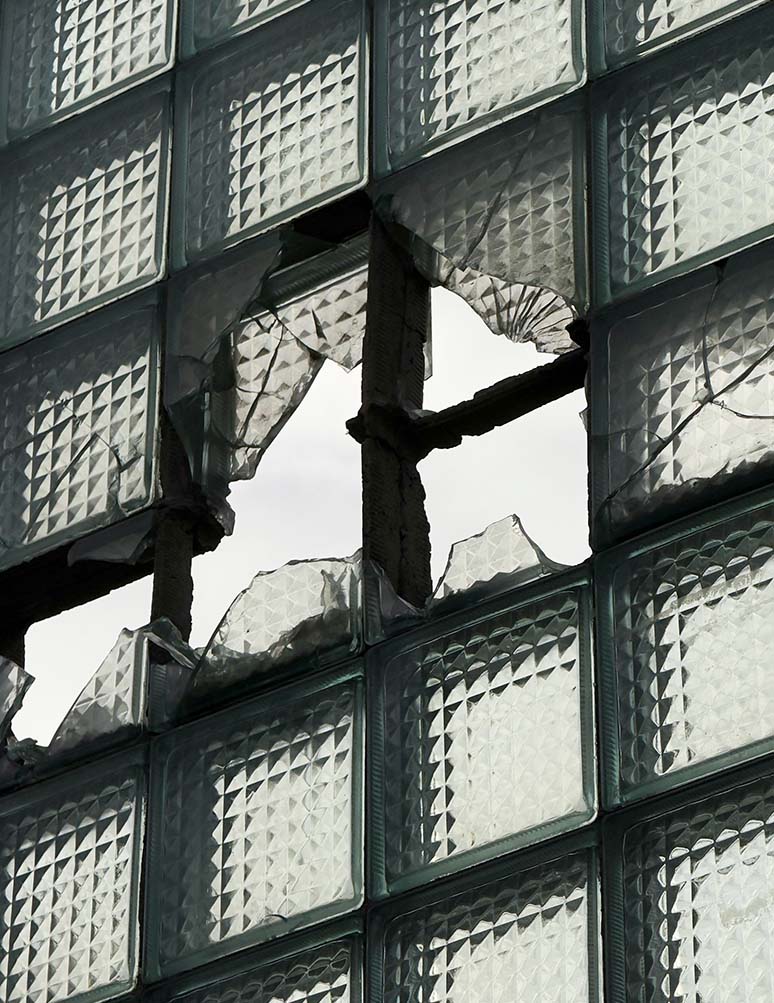
Now what about something your really passionate about, like a sport, an artistic pursuit or something else? Would having less broken windows help fuel these passions? Ultimately, yes.
The Broken Windows Theory, once a cornerstone of urban crime reduction in New York City, reveals a powerful truth that extends far beyond public policy: environments shape behavior. Just as neglected streets can invite escalating disorder, the small, unattended “broken windows” in our personal spaces — clutter, disorganization, and deferred responsibilities — quietly erode focus, motivation, productivity…and well-being. By addressing these seemingly minor issues, we reclaim control over our surroundings and, in turn, create the mental clarity and momentum needed to pursue meaningful work, creative passions, and a more intentional life.
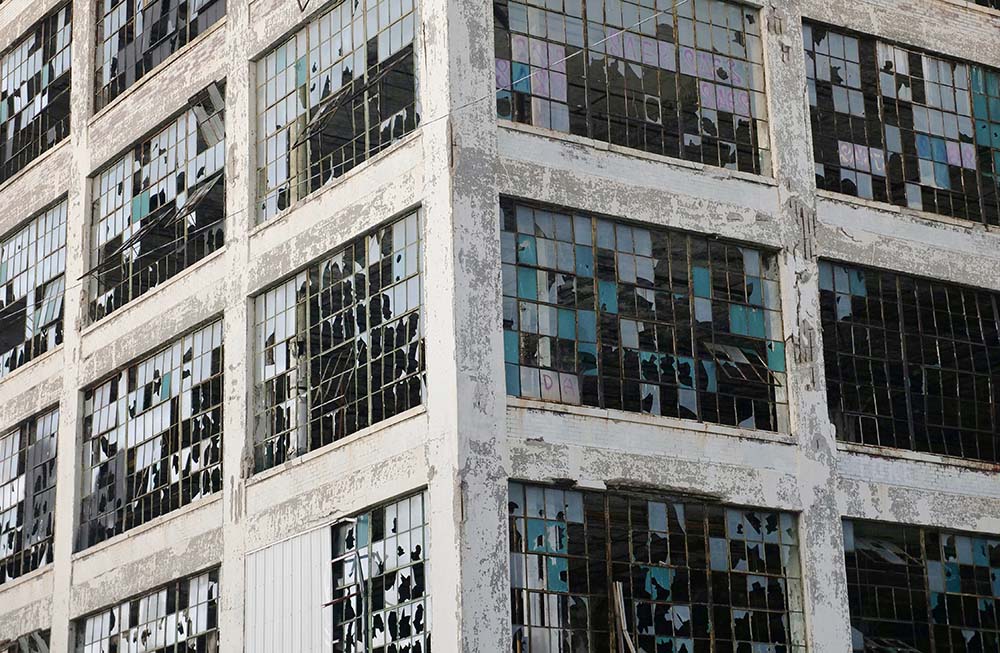
The Broken Windows Theory, popularized through New York City policing strategies under William Bratton and Mayor Rudy Giuliani and later explored in Malcolm Gladwell’s The Tipping Point, highlights how visible disorder leads to larger behavioral consequences. This concept applies not only to crime prevention and urban development but also to personal productivity, mental clarity, and self-discipline. A cluttered home environment, filled with disorganization, unfinished tasks, and visual chaos, can negatively impact focus, motivation, and overall well-being. By maintaining a clean and organized living space, individuals can improve productivity, reduce stress, and create an environment that supports success, creativity, and personal growth. This article explores how the principles of the Broken Windows Theory can be applied to everyday life for lasting behavioral change and improved performance.